

Worlds in Orbit
Collide planets and disrupt solar systems in a space simulator built on Newtonian N-body gravity. Create your own worlds, change their mass, rotation, and atmospheres, and watch oceans freeze or evaporate as temperatures change.
- Windows
At a glance
- Release
- Coming soon
- Languages
- 8
- Supported
Trailers and screenshots
1 / 14
About this game
Worlds in Orbit is a space simulator where you collide planets, build solar systems, and create your own worlds. Stars, planets, and moons interact through Newtonian N-body gravity, so changing one body can reshape the orbits around it. Change a world’s mass, rotation, atmosphere, or temperature and watch how it responds.
Make your own worlds
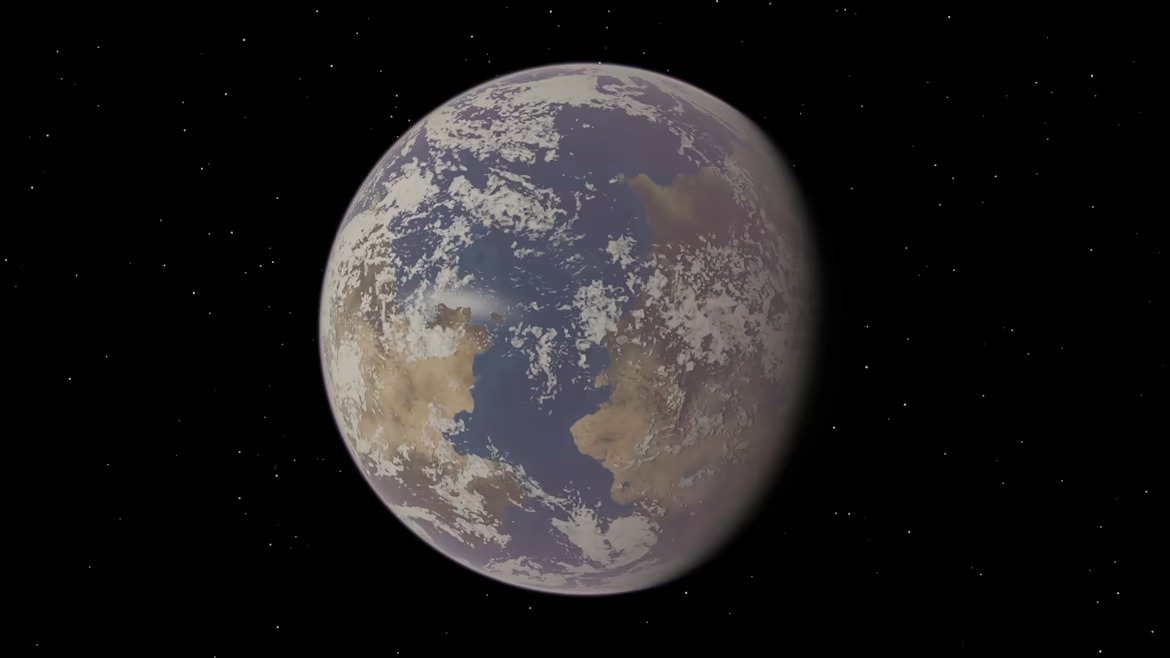
Create temperate, arid, frozen, volcanic, cratered, or alien worlds. Start with a procedurally generated world or a bare sphere. Shape mountains, plateaus, canyons, rifts, volcanoes, craters, lake basins, and seabeds.
Customize your world with regions of forest, grassland, desert, wetland, tundra, and ice. Edit terrain and surface cover separately, with undo and redo to refine your designs.
Adjust ocean levels to reshape shorelines, customize atmospheres, and add volumetric clouds. Set your planet’s mass, size, tilt, and rotation.
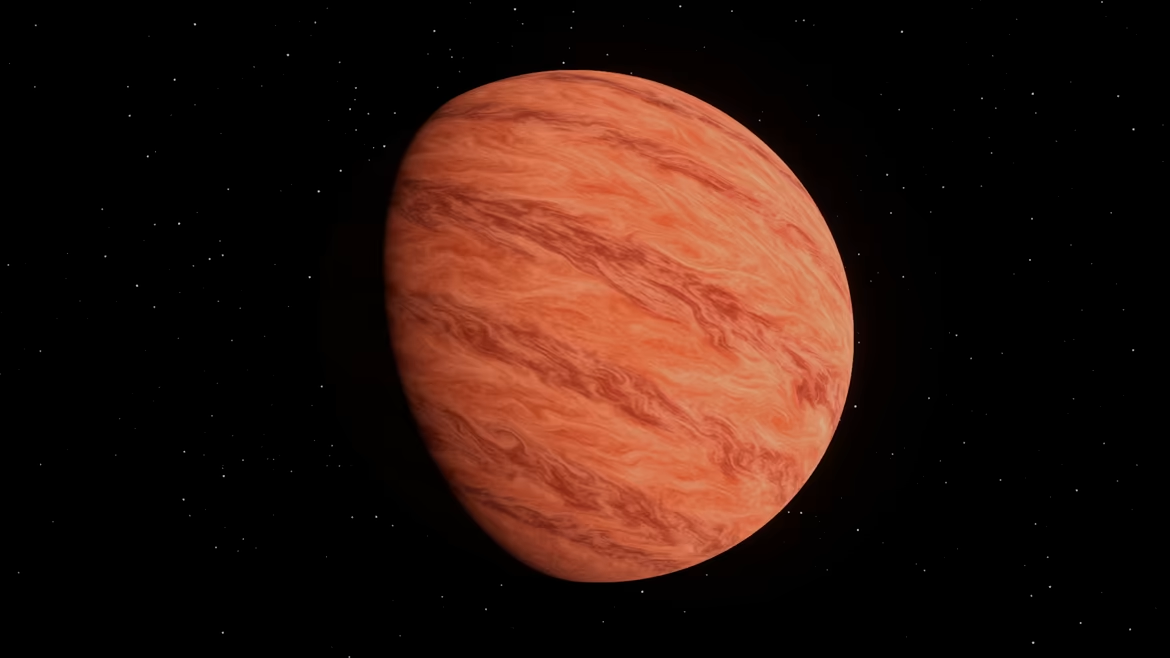
Gas and ice giants have their own editor for cloud bands, colors, and storms.
The worlds you create respond to gravity, heating, cooling, and collisions. Save them to your object library and reuse them in other simulations.
Build your own star system
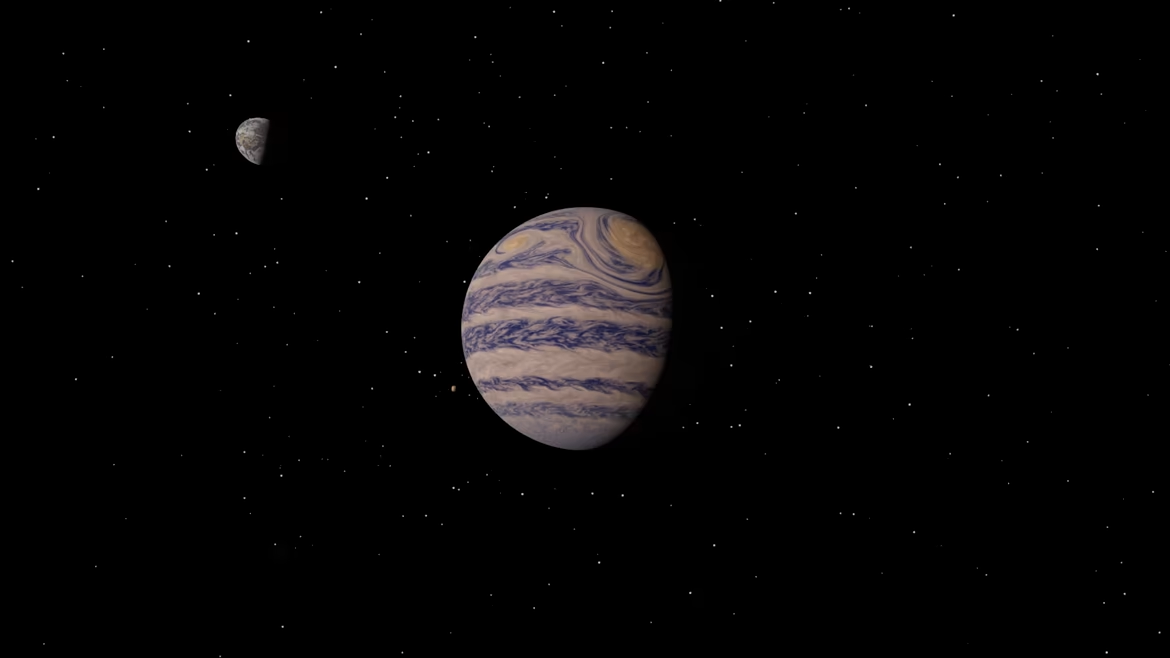
Build star systems from catalog objects and worlds you’ve made, with moons orbiting planets and planets orbiting stars. Changes to mass, speed, or direction can reshape nearby orbits, lead to captures, or send worlds toward a collision.
Surround planets with rings of ice and rock. Stars have adjustable temperatures, brightness, mass, and size. Black holes can have gas discs that respond to close encounters.
The simulation can be paused, slowed down, or sped up.
A changing climate
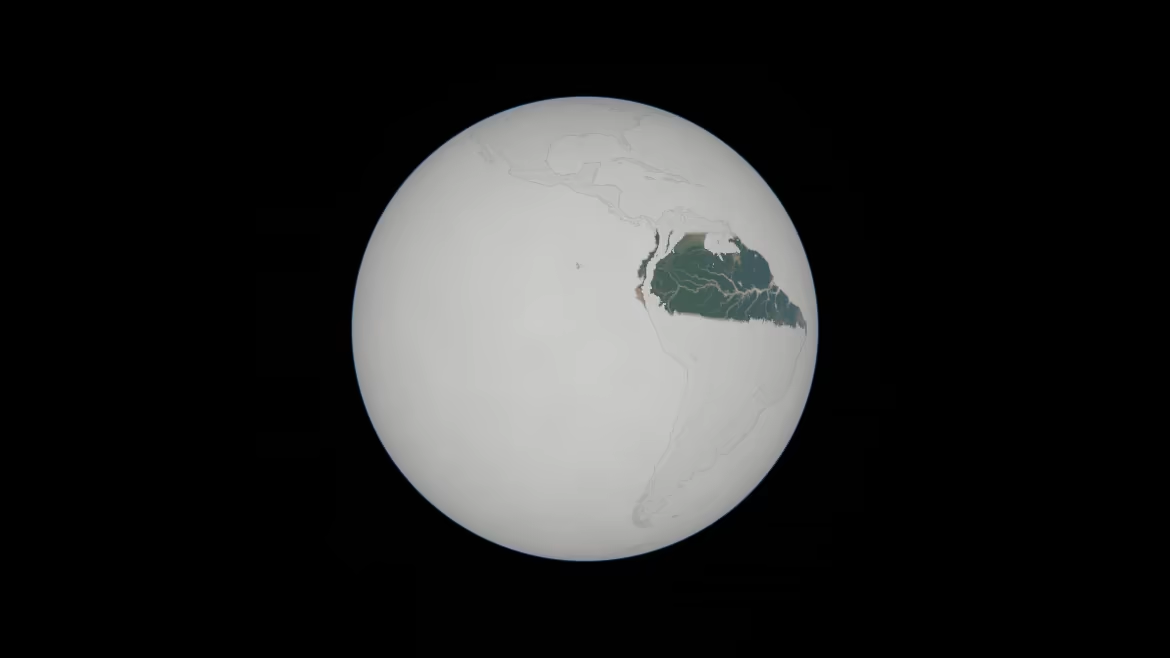
A planet’s temperature changes as it receives energy from its star and loses heat to space. Its orbit and atmosphere affect that balance. Surface temperature can also be adjusted directly.
Oceans can freeze, ice can melt, and water can evaporate as conditions change. Atmospheric pressure and gas composition influence these processes. Snow and sea ice respond to changing conditions, while vegetation changes color as the world warms or cools.
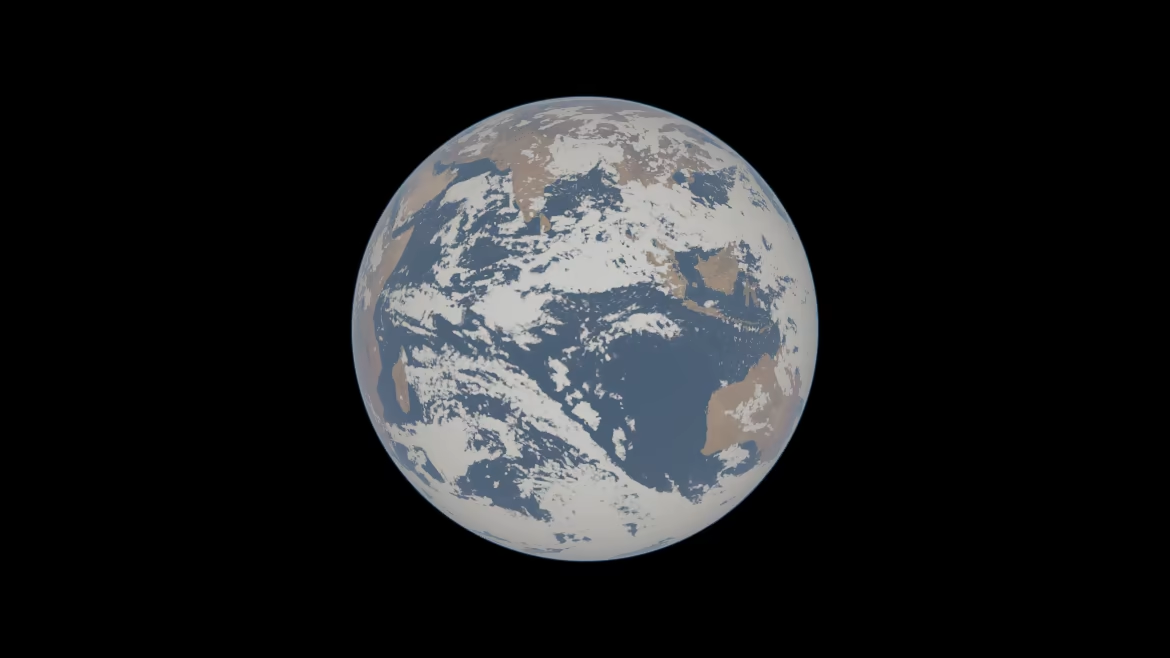
Water, gases, rock, and metal can be added or removed. Icy and rocky impacts can also deliver new material, changing a planet’s composition.
A habitable zone guide marks where liquid water may be possible, depending on the planet’s atmosphere and surface conditions.
Worlds under stress
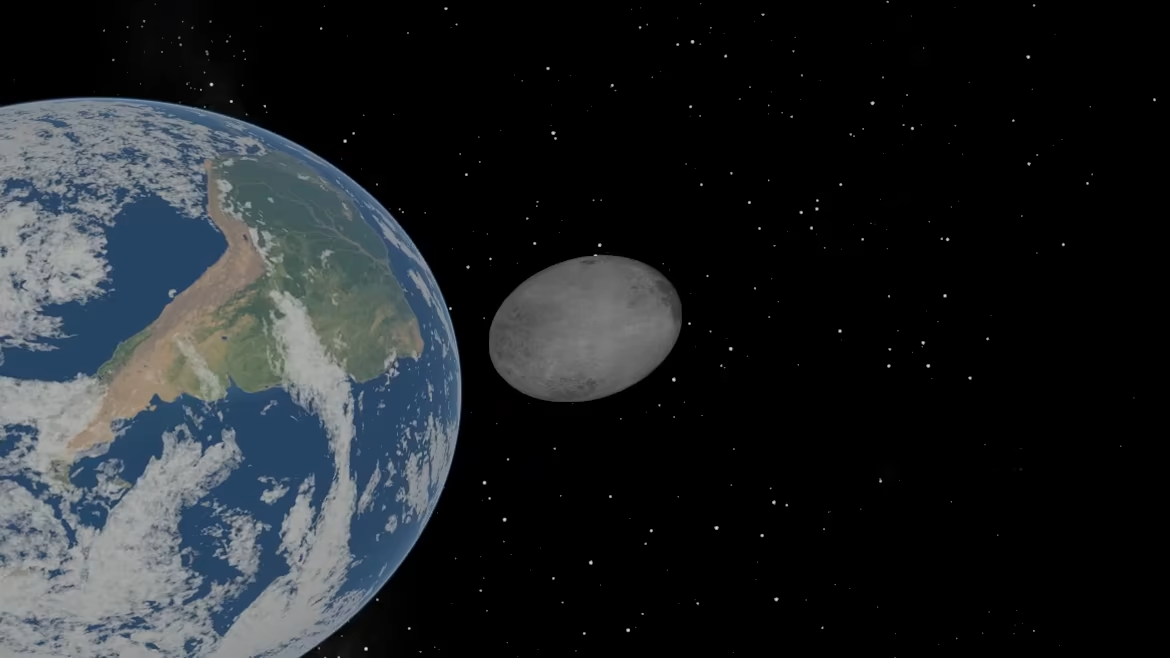
Tidal forces during a close encounter can stretch a moon and tear material away, sending fragments onto new paths.
Planetary collisions heat surfaces and throw material into space. The bodies’ sizes, impact speed, and angle affect the outcome. Merging stars can leave a surviving star surrounded by expanding gas.
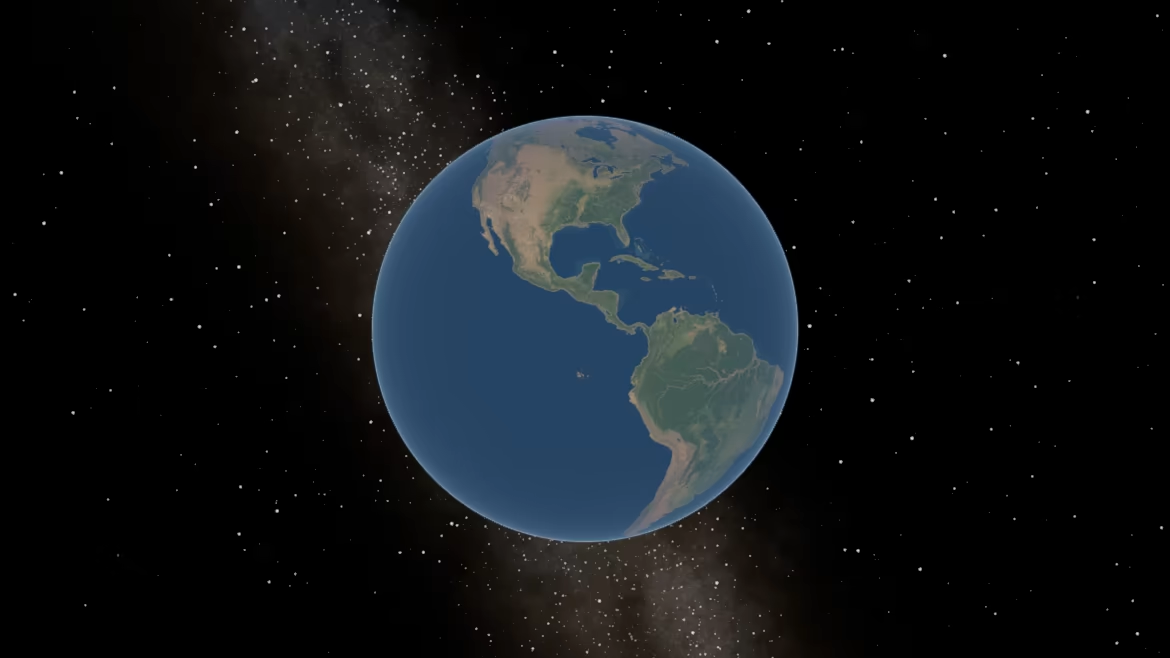
Rotation also changes a world’s shape. Faster spin can flatten its poles, widen its equator, and shift shorelines as the ocean surface adjusts.
From orbit to the surface
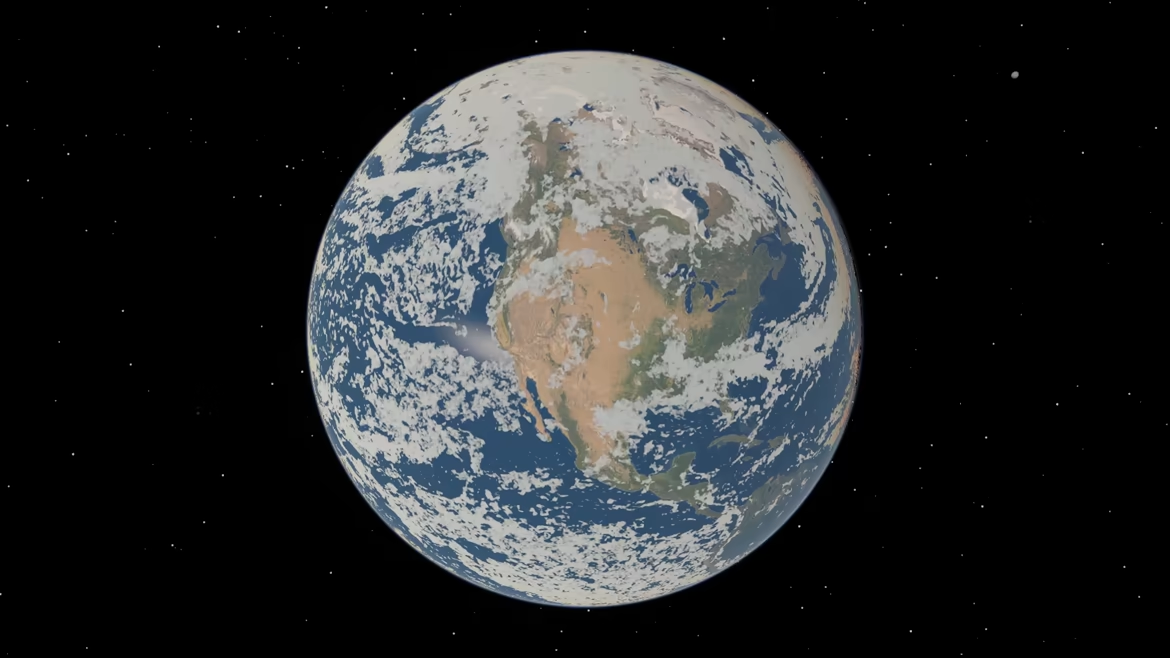
Explore rocky worlds from orbit down to ground level. Descend to mountain slopes, follow coastlines, and see the terrain up close.
Save your simulations and custom worlds to revisit a favorite system, continue an experiment, or compare different versions of it.
Details
| App ID | 5467850 |
|---|---|
| Type | Game |
| Planned release | Coming soon |
| Developer | AstroSilver Games |
| Publisher | AstroSilver Games |
| Platforms |
|
| Languages | 8 languages |
| Website | worldsinorbit.com (opens in a new tab) |
Community tags
Ranked by player votes
- Simulation1.3K votes
- Sandbox1.2K votes
- Space Sim1K votes
- Physics936 votes
- Space867 votes
- Science662 votes
- Destruction616 votes
- Procedural Generation570 votes
- Realistic525 votes
- Exploration479 votes
- Indie456 votes
- Atmospheric433 votes